Few destinations on Earth can match the allure and mystique of Egypt. This remarkable country bridges continents, connects civilizations, and offers travelers an extraordinary blend of ancient grandeur and modern vitality. From the moment you arrive, you’ll find yourself immersed in a land where history is not merely studied but lived, where every corner reveals new wonders, and where the hospitality of the Egyptian people makes every visitor feel welcomed.
The Historical Legacy That Defines Egypt
Egypt stands as the cradle of one of humanity’s greatest civilizations, with recorded history extending back more than five millennia. The ancient Egyptians developed sophisticated systems of writing, mathematics, medicine, and architecture that influenced cultures across the Mediterranean and beyond. Their monumental achievements continue to astound modern visitors, from the precise engineering of the pyramids to the elaborate tomb paintings that preserve scenes of daily life from thousands of years ago. The pharaonic period alone spanned approximately 3,000 years, during which Egypt experienced periods of tremendous prosperity, artistic achievement, and territorial expansion.
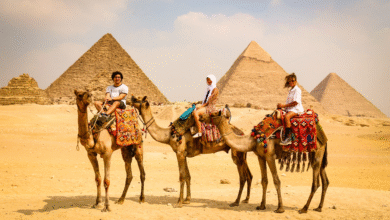
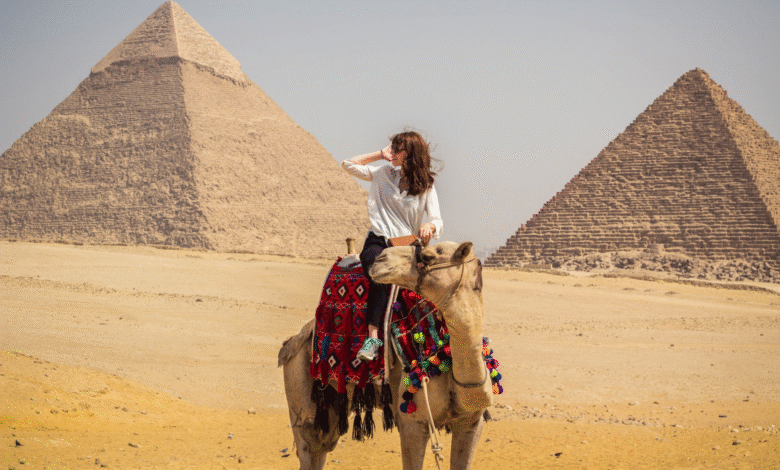
Understanding this vast historical timeline enriches any visit to Egypt. The Old Kingdom period gave us the iconic pyramids, with the magnificent structures at the Giza plateau representing the pinnacle of ancient engineering. Those planning to explore these incredible monuments will find that Giza tours and attractions offer unparalleled access to these architectural marvels, including the Great Sphinx and the Solar Boat Museum. The Middle Kingdom saw advances in literature and art, while the New Kingdom produced some of Egypt’s most famous rulers, including Hatshepsut, Akhenaten, Tutankhamun, and Ramses II. The temples at Luxor, Karnak, and Abu Simbel testify to the power and artistic vision of this era. Later periods brought Greek influence under the Ptolemies, Roman rule, early Christian traditions that gave birth to Coptic Christianity, and eventually Islamic civilization, which has shaped Egypt’s culture for over 1,300 years. This layered history means that visitors encounter Roman amphitheaters, Byzantine churches, medieval Islamic mosques, and Ottoman-era palaces alongside pharaonic temples, creating a uniquely rich cultural landscape.
Egypt’s Geographic Wonders and Natural Beauty
Egypt occupies a strategic position at the crossroads of Africa and Asia, with its territory encompassing diverse geographical features that have shaped its history and culture. The Nile River remains the dominant geographical feature, flowing north from Sudan through Egypt to the Mediterranean Sea, covering approximately 1,500 kilometers of Egyptian territory. This great river has sustained Egyptian civilization since prehistoric times, providing water, fertile soil, and transportation routes. The annual flooding of the Nile, before the construction of modern dams, deposited nutrient-rich silt that made Egypt’s agricultural lands among the most productive in the ancient world.
Beyond the Nile Valley, Egypt’s deserts cover vast expanses of the country. The Western Desert, part of the greater Saharan system, features dramatic landscapes ranging from the surreal limestone formations of the White Desert to the lush oases that have served as waypoints for trans-Saharan caravans for millennia. The remote Siwa Oasis, near the Libyan border, offers a glimpse into traditional Berber culture and contains the ruins of the Temple of Amun, where Alexander the Great famously consulted the oracle. The Eastern Desert, stretching between the Nile and the Red Sea, is characterized by rugged mountains and ancient mining sites where pharaohs extracted gold, emeralds, and other precious materials. The Red Sea coast has become internationally renowned for its spectacular coral reefs, clear waters, and diverse marine life, making it a premier destination for diving and snorkeling enthusiasts. The Sinai Peninsula, with its mountainous terrain and historical significance to Judaism, Christianity, and Islam, offers both spiritual sites and natural beauty. This geographical variety means that Egypt provides experiences ranging from archaeological exploration to desert adventures, from beach resorts to mountain monasteries, all within relatively compact distances.
Weather Patterns and Social Customs
Egypt’s climate is classified as hot desert, with most of the country receiving minimal rainfall throughout the year. The summer months, particularly June through August, can be intensely hot, with temperatures in southern cities like Luxor and Aswan regularly exceeding 40°C (104°F). Cairo and the Delta region experience slightly more moderate summer temperatures but high humidity levels that can make the heat feel oppressive. Coastal areas benefit from sea breezes that provide some relief. Winter months from December through February offer the most comfortable conditions for extensive sightseeing, with daytime temperatures typically ranging from 15-25°C (59-77°F), though nights can be quite cool, especially in desert regions where temperatures may drop significantly after sunset.
Spring and autumn serve as transitional seasons, with March through May and September through November providing warm but generally manageable temperatures for travelers. However, spring can bring the khamsin, hot winds from the Sahara that carry sand and dust, occasionally reducing visibility and creating uncomfortable conditions. When planning vacations in egypt, considering these weather patterns is crucial for maximizing comfort and enjoyment, particularly if your itinerary includes extensive outdoor activities or desert excursions.
Egyptian society reflects the country’s long history and Islamic heritage while embracing aspects of modernity, particularly in major urban centers. Family remains the cornerstone of Egyptian social structure, with extended families often living in close proximity and maintaining strong bonds across generations. Respect for elders is deeply ingrained, and family gatherings and celebrations play a central role in social life. Islam influences daily rhythms, with the five daily prayer calls marking time throughout the day, and the month of Ramadan bringing significant changes to schedules and social patterns as Muslims fast from dawn to sunset.
Egyptian hospitality is legendary, with hosts often going to extraordinary lengths to make guests feel welcome. Accepting tea or coffee when offered is considered polite and provides opportunities for genuine cultural exchange. The Egyptian concept of time tends to be more flexible than in Western cultures, and patience with delays or schedule changes is appreciated. Social interactions often involve considerable small talk and relationship building before moving to business matters. The marketplace, or souk, remains a vital social space where bargaining is expected and serves as a form of social interaction as much as commercial transaction. Understanding these social customs helps visitors navigate daily interactions more smoothly and appreciate the cultural context of their experiences. Egyptian Arabic, while sharing roots with other Arabic dialects, has its own distinctive character, though English is increasingly common among educated Egyptians and those working in the tourism sector.
Practical Advice for Travelers
Successfully navigating Egypt requires preparation, cultural awareness, and practical knowledge. Many visitors find that organized tours provide the most rewarding experience, particularly for first-time visitors or those with limited time. Professional Egypt Private Tour Packages offer the advantage of expert guides who bring historical sites to life with detailed explanations, handle logistical challenges, and facilitate interactions with local communities. These packages typically include transportation, accommodations, site entrance fees, and sometimes meals, allowing travelers to focus on experiences rather than logistics. For independent travelers, advance research and booking of major components like hotels and internal flights is advisable, especially during peak season.
Here are essential considerations for your Egyptian journey:
- Documentation and Entry: Verify visa requirements for your nationality well before departure. Most visitors can obtain a visa on arrival for around $25 USD, but e-visas are available online and can streamline airport procedures. Ensure your passport has at least six months validity remaining. Keep photocopies of important documents in separate locations from the originals.
- Health and Hygiene: Egypt’s water quality differs from Western standards, so drink only bottled or filtered water. Avoid ice unless you’re certain it’s made from purified water. Street food can be delicious but start cautiously to allow your digestive system to adjust. Bring any prescription medications in original packaging, along with a letter from your doctor if carrying significant quantities. Sun protection is essential given Egypt’s intense sunlight.
- Appropriate Attire: Pack lightweight, breathable clothing suitable for hot weather, but ensure it’s also modest. Long pants or long skirts and shirts that cover shoulders are appropriate for both cultural respect and sun protection. Women should bring a lightweight scarf for covering hair when entering mosques. Conservative dress is particularly important outside major tourist areas.
- Financial Matters: The Egyptian Pound (EGP) is the official currency. Exchange rates can vary significantly between official exchanges, hotels, and informal changers, so compare rates. ATMs are reliable in cities and tourist areas but can be scarce in remote locations. Carry small denomination bills for tips and small purchases. Credit cards are accepted at major establishments but cash remains essential for many transactions.
- Optimal Timing: The tourist season runs from October through April, with December through February being peak months when prices are highest and sites most crowded. Booking accommodations and tours several months in advance is advisable for peak season travel. Summer offers lower prices and fewer crowds but requires tolerance for heat. If visiting during Ramadan, be aware that restaurants may be closed during daylight hours and some tourist sites may have modified schedules.
- Security Awareness: Egypt has made significant investments in tourist security, with visible police and military presence at major sites. Tourist areas are generally safe, but standard precautions apply: avoid displaying expensive jewelry or electronics, keep valuables secure, and be aware of your surroundings. Scams targeting tourists exist, particularly around major monuments, so maintain polite skepticism toward unsolicited offers of help or services.
- Getting Around: Egypt offers various transportation options. Domestic flights between Cairo, Luxor, Aswan, and other major cities are affordable and save considerable time compared to ground transportation. Trains connect major cities, with first-class sleeper trains offering comfortable overnight journeys between Cairo and Upper Egypt. Uber and similar ride-hailing apps operate in Cairo and major cities, providing transparent pricing and security. For intercity travel, consider private drivers or reputable tour companies rather than local buses. Nile cruise ships offer a relaxing way to visit temples between Luxor and Aswan.
- Communication Tools: International roaming can be expensive, so purchasing a local SIM card upon arrival provides affordable data and calling. Major providers like Orange, Vodafone, and Etisalat have counters at Cairo airport. WiFi is available at most hotels and many restaurants and cafes in tourist areas. Download offline maps before arriving, as GPS can be invaluable for navigation.
- Cultural Sensitivity: Learning a few Arabic phrases shows respect and is appreciated by locals. Basic greetings like “salaam aleikum” (peace be upon you) and “shukran” (thank you) go a long way. During prayer times, maintain quiet near mosques. During Ramadan, avoid eating, drinking, or smoking in public during daylight hours out of respect for those fasting. If invited to someone’s home, bring a small gift such as sweets or pastries.
- Photography Etiquette: While most archaeological sites permit photography, some charge separate camera fees. Flash photography is prohibited in tombs to preserve ancient paintings. Always ask permission before photographing people, particularly women and children. Military installations, bridges, and government buildings should never be photographed. Drone usage is heavily restricted and generally prohibited without special permits.
- Tipping Customs: Baksheesh permeates Egyptian service culture. While wages in the service sector are often low, tips supplement income significantly. Tour guides typically receive 50-100 EGP per day, drivers 30-50 EGP per day, and restaurant servers 10-15% of the bill. Small tips (5-10 EGP) are appropriate for restroom attendants, hotel porters, and others providing minor services.
- Bargaining Skills: In markets and with taxi drivers (when not using apps), bargaining is expected. Initial asking prices may be two to three times what the seller expects to receive. Approach bargaining as a friendly game rather than confrontation. Never begin bargaining unless you’re genuinely interested in purchasing. Once you’ve agreed on a price, honor that agreement.
Egypt challenges travelers while rewarding them abundantly. The heat, crowds, persistent vendors, and occasional frustrations of travel in a developing country are minor inconveniences compared to the extraordinary privilege of walking among monuments that have stood for millennia, sailing on the Nile at sunset as generations have done before you, exploring vibrant markets filled with spices and crafts, and engaging with a culture that honors both ancient traditions and modern aspirations. Egypt’s appeal lies not only in its world-famous monuments but in unexpected moments: sharing tea with a shopkeeper in a quiet alley, watching local children play soccer in the shadow of a temple, tasting authentic koshari from a street vendor, or simply observing daily life unfold in a Cairo neighborhood.
The key to a successful Egyptian journey is approaching it with flexibility, curiosity, and cultural sensitivity. Expectations shaped by Western standards of punctuality, efficiency, and service may need adjustment, but this adaptation is part of the travel experience. Those who embrace Egypt on its own terms, who look beyond the famous monuments to appreciate the living culture surrounding them, and who engage respectfully with Egyptian people and customs will find their journey profoundly enriching. Egypt has fascinated travelers for thousands of years, and despite the proliferation of photographs and documentaries, actually being present among these wonders creates an emotional and intellectual impact that cannot be replicated through any medium.
Begin planning your Egyptian adventure with realistic expectations, thorough preparation, and an open heart. The experience of standing before the pyramids, sailing past temple ruins at sunset, exploring pharaonic tombs, and connecting with a culture that bridges ancient and modern worlds will stay with you for a lifetime. Egypt doesn’t just invite you to observe history it invites you to step into it, to feel the weight of millennia, and to understand your own place in the continuing human story.