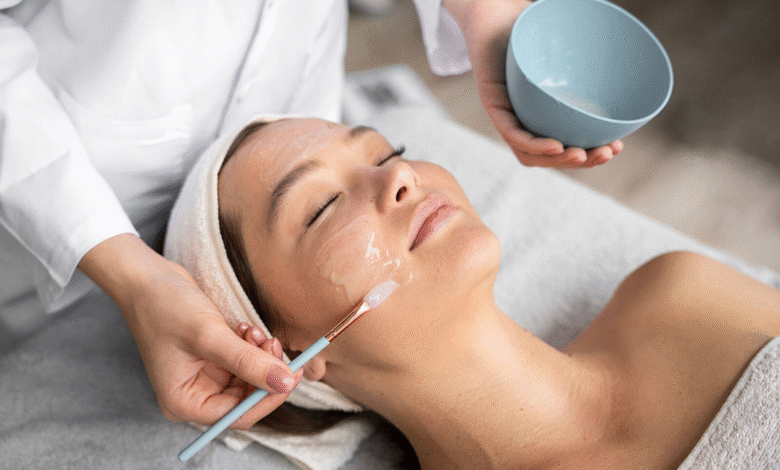
A chemical peel uses carefully selected acids to exfoliate the outer layers of the skin. This process helps loosen dead skin cells, unclog pores, and encourage new, smoother skin to surface. Depending on the peel type and depth, it can also support collagen stimulation and improve the appearance of discoloration.
People often choose peels to help with:
- Rough texture and dullness
- Fine lines and early signs of aging
- Breakouts and congestion
- Post-acne marks and uneven tone
- Sun damage and stubborn hyperpigmentation
- Enlarged pores and oily skin
The best results come from matching the peel to your skin’s needs. A peel that’s too aggressive can disrupt your barrier and cause more redness or peeling than necessary while a peel that’s too mild may not deliver the improvement you’re looking for.
Types of Peels You May See at a Med Spa
Not all peels feel or behave the same. A qualified provider will choose the peel based on your concerns, current routine, and how your skin typically reacts.
Superficial (Light) Peels
These target the very top layer of the skin and are often called “refresh” peels. They’re popular for brightening, smoothing texture, and supporting acne-prone skin. Many people experience minimal flaking and can return to normal activities quickly.
Medium-Depth Peels
These can create more noticeable peeling and may be chosen for deeper discoloration, sun damage, or more stubborn texture concerns. They typically require more careful aftercare and sun protection.
Medical-Grade Options
“Medical-grade” often refers to higher-quality formulations and protocols used by trained professionals in a controlled environment. This can be especially helpful if you want a more structured plan rather than a single treatment.
How to Choose the Right Peel for Your Skin Type
Peels can be safe and effective for many skin types including sensitive skin when they’re selected thoughtfully. The most important factor is personalization.
A good consultation should consider:
- Your skin tone and tendency toward hyperpigmentation
- Sensitivity, rosacea, eczema, or barrier issues
- Active acne vs. post-acne marks
- Current products (retinoids, exfoliants, benzoyl peroxide, etc.)
- Recent sun exposure, events, and downtime preferences
If you’re new to peels, starting with a lighter peel is often the smartest path. You can build results gradually, reduce the risk of irritation, and still see meaningful changes over a series.
What to Expect During a Chemical Peel Appointment
A professional peel appointment is typically straightforward and relatively quick, but it should still feel thorough and carefully guided.
Most visits include:
- Skin assessment and prep: Cleansing, degreasing, and evaluating skin condition
- Application: The peel is applied in layers or a timed protocol
- Sensations: Warmth, tingling, or mild stinging is common and monitored
- Neutralization or completion: Some peels self-neutralize; others are removed or neutralized
- Aftercare instructions: This is crucial for protecting your results
For many clients, the appointment feels manageable especially when the provider explains each step and adjusts the plan if your skin is reactive.
Why Professional Guidance Matters More Than Ever
At-home acids can be useful in a routine, but professional peels offer two big advantages: precision and safety. A trained provider can choose the correct acid type, strength, layering, and timing based on how your skin responds in real time.
If you’re searching for a chemical peel in Fort Worth, prioritize a place that:
- Takes time to review your skin history
- Offers multiple peel options (not just one “signature” peel for everyone)
- Educates you on prep and aftercare
- Helps you build a plan instead of chasing quick fixes
This is especially important for deeper discoloration, melasma-prone skin, or clients who have experienced irritation from strong products in the past.
Aftercare: The Part That Protects Your Results
Your skin is more vulnerable after a peel, which means the days after treatment matter just as much as the appointment itself. The goal is to keep the barrier calm, hydrated, and protected.
Typical aftercare guidance includes:
- Avoiding picking, scrubbing, or exfoliating while peeling occurs
- Using gentle cleanser and a soothing moisturizer
- Skipping retinoids and strong actives for a provider-recommended window
- Avoiding heat exposure (hot yoga, saunas) for a short period
- Wearing broad-spectrum sunscreen daily and limiting direct sun
If you’re planning a peel before a vacation or outdoor event, timing is important. A provider can help you choose a peel that aligns with your schedule so you’re not dealing with unexpected flaking at the wrong moment.
How Many Peels Do You Need to See Results?
Some clients notice brighter, smoother skin after the first treatment especially with light peels. For concerns like acne, discoloration, or texture that has built up over time, a series usually delivers the best transformation.
A common approach is:
- One peel for a refresh before a special event (planned with enough time)
- A short series for acne, tone, or texture goals
- Maintenance treatments to keep results consistent throughout the year
Consistency matters, but so does choosing the right intensity. The best plans are realistic, progressive, and tailored to your skin’s tolerance.
A Local, Skin-First Approach With Skin Glow
Choosing a provider is about more than availability it’s about trust. Skin Glow focuses on comfortable, client-centered care with an emphasis on healthy skin practices and appropriate treatment selection. Whether you want a light glow-up peel or a more targeted plan for discoloration or breakouts, the process should feel informed, calm, and customized.
For booking details and service information, you can reference skinglow-medspa.com (as plain text), and schedule a consultation to discuss which peel type fits your skin goals and downtime preferences.