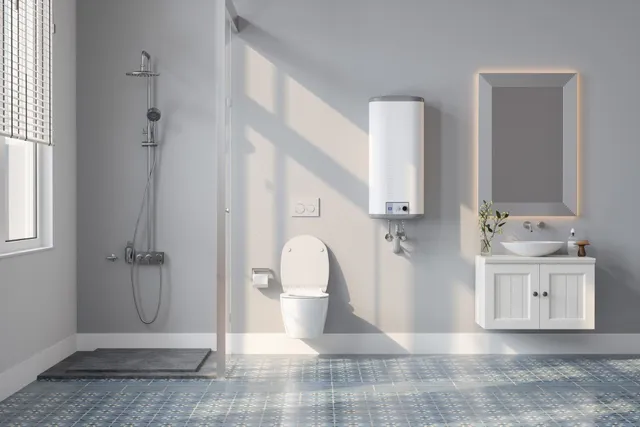
Selecting the optimal water heater is one of the most impactful decisions you can make for your home’s comfort, efficiency, and utility savings. Given the range of options on the market and the many variables at play, being informed is critical before purchasing. For residents looking for quality installation tailored to their needs, consider Collingwood water heater installation—local experts can ensure you get the best fit for your household and budget.
Before you invest in a new water heater, you’ll need to consider fuel type, household size, efficiency ratings, and even your local climate. This guide breaks down every aspect to help you understand what matters most and make an informed choice that suits your immediate needs and long-term costs.
The right water heater ensures you have dependable hot water when you need it, avoids the frustration of cold showers, and can even elevate your home’s value if you choose an energy-efficient or environmentally friendly model. Furthermore, installation requirements and ongoing maintenance shouldn’t be overlooked, as these significantly affect performance and reliability.

Types of Water Heaters
Understanding the different types of water heaters available is essential for picking the best model for your home. The most popular types include:
- Conventional Storage Water Heaters: Store a reserve of heated water and are a common choice for families who need a steady supply. However, they can sometimes run out during high demand. Incorporating high-quality plumbing fixtures at this stage ensures consistent water flow and helps maintain optimal performance across your home’s hot water system.
- Tankless (On-Demand) Water Heaters: Deliver hot water instantly without storing it, making them perfect for homes with limited space or for those seeking energy efficiency.
- Heat Pump Water Heaters: Transfer heat from the air or ground, using less energy than conventional electric heaters.
- Solar Water Heaters: Utilize solar panels and are a renewable way to meet hot water needs, especially effective in sunny regions.
- Tankless Coil and Indirect Water Heaters: Leverage your home’s heating system, which can be highly efficient when hot water and heating are used simultaneously.
Fuel Types and Availability
The energy source you choose for your water heater plays a significant role in operational costs and efficiency. Major options include:
- Electricity: Universally available and compatible with nearly all heater types, but can be more expensive in some areas.
- Natural Gas: Often more economical than electricity and prevalent in urban and suburban regions.
- Propane: Ideal for rural homes or areas without natural gas access.
- Fuel Oil: Less common, used mainly in some older homes or remote locations.
- Solar Energy: Free, renewable, and especially valuable in bright climates.
Always consider fuel prices and availability in your region before deciding on your water heater type. For additional guidance on choosing between gas and electric water heaters, visit Consumer Reports. The right choice ultimately depends on balancing upfront installation costs with long-term energy savings. Evaluating your home’s insulation, usage patterns, and climate conditions can further help you select the most cost-effective and reliable water-heating option.
Sizing Your Water Heater
Capacity is a vital factor for ensuring comfort and efficiency. To correctly size your water heater, evaluate:
- Household Size: Larger families or shared homes demand greater hot water capacity.
- Peak Usage Patterns: Consider when your family uses the most hot water—such as mornings or evenings.
- First-Hour Rating (FHR): This is the amount of hot water (in gallons) that a unit can supply per hour. Match your unit’s FHR to your household’s peak hour usage for optimal performance.
For a detailed breakdown on assessing household hot water needs and choosing the right capacity, the U.S. Department of Energy offers helpful guidelines for sizing a new water heater.
Cost Analysis
Proper budgeting means evaluating both upfront and long-term expenses. While initial purchase and installation costs are easy to compare, also weigh operating costs and available incentives. Tankless and heat pump models may cost more upfront, but can yield significant savings through lower utility bills. Additionally, rebates or tax credits, such as the current federal offer of up to $2,000 for heat pump water heater installation (expiring December 31, 2025), help offset the investment.
Installation Requirements
Your home’s setup will dictate what type of water heater can be installed safely and effectively. Tankless systems are the most compact, while heat pump units require ample ventilation and airflow. Any gas-powered unit will require appropriate venting to prevent dangerous gas buildup, and electric units may need system upgrades to handle increased loads. It’s always best to consult a qualified installer to inspect your home’s capacity before buying.
Maintenance and Lifespan
Keeping your water heater in good working order extends its lifespan and maintains its efficiency:
- Tank Water Heaters: Flush the tank annually to prevent sediment buildup, which can reduce efficiency.
- Tankless Water Heaters: These require periodic descaling, particularly in homes with hard water.
- Heat Pump Water Heaters: Clean filters and ensure unobstructed air flow around the unit.
Expected lifespans by type include 8-12 years (tank), 15-20 years (tankless), and 10-15 years (heat pump), with regular preventive care ensuring you get the most from your investment.
Environmental Impact
Energy-efficient water heaters benefit not only your budget but also the environment. Heat pumps and solar water heaters use either renewable sources or technologies that drastically reduce energy use, helping decrease greenhouse gas emissions. Upgrading an outdated system is one of the most significant steps you can take to reduce household energy use. By carefully weighing each of these factors, you can choose a water heater that satisfies your immediate and future needs—while saving money and supporting environmental responsibility.
Conclusion
Choosing the right water heater is ultimately about balancing efficiency, cost, performance, and long-term value. By understanding the different system types, fuel options, installation needs, and maintenance requirements, you can confidently select a model that supports your household’s comfort and energy goals. Investing in a well-matched, efficient unit not only enhances daily convenience but also helps reduce utility expenses and contributes to a more sustainable home. With careful planning and expert installation, your new water heater can deliver reliable performance for years to come, ensuring comfort, savings, and peace of mind for your entire household.