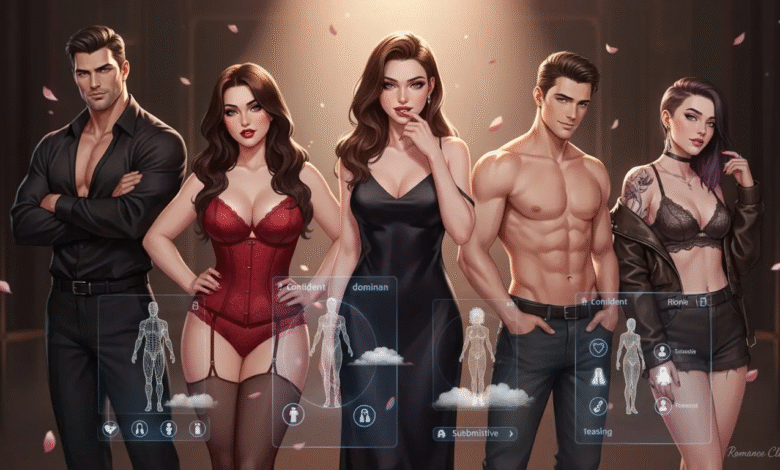
The integration of artificial intelligence into creative writing has introduced new forms of literary production, among which the AI erotic story represents a particularly complex and interdisciplinary phenomenon. Situated at the intersection of digital humanities, literary studies, and human–computer interaction, this genre invites scholarly examination of authorship, narrative construction, and the mediation of intimacy through technology.
Erotic literature has historically functioned as a reflection of social norms, psychological dynamics, and cultural attitudes toward desire and intimacy. The involvement of artificial intelligence in this domain does not eliminate these functions but reconfigures them. AI systems generate text through statistical modeling and pattern recognition based on extensive corpora of existing literature. Consequently, AI erotic stories are not expressions of subjective experience but algorithmic reconstructions of linguistic and narrative conventions associated with sensuality and emotional closeness.
A defining characteristic of AI-generated erotic narratives is their emphasis on affective atmosphere rather than explicit representation novelx.ai. This tendency stems from both technical constraints and ethical frameworks guiding AI deployment. As a result, many AI erotic stories foreground emotional tension, relational dynamics, and internal states of characters. Such an approach aligns with contemporary literary theories that prioritize psychological depth and reader engagement over graphic depiction.

Personalization constitutes another significant dimension of AI erotic storytelling. Through user input, narratives can be adapted in terms of setting, character relationships, pacing, and emotional tone. This interactive structure challenges traditional distinctions between author and reader, positioning the user as a co-producer of meaning. From an academic perspective, this raises questions regarding narrative authority, reader-response theory, and the evolving definition of literary creativity in algorithmic contexts.
Ethical considerations are central to scholarly discourse on AI erotic stories. Issues of data bias, consent, representational fairness, and the reproduction of cultural stereotypes require careful attention. Moreover, transparency regarding AI authorship is essential to preserve academic and literary integrity. Without such safeguards, the genre risks reinforcing problematic narratives rather than contributing to meaningful cultural dialogue.
In conclusion, the AI erotic story should be understood not merely as a technological novelty, but as a subject worthy of academic inquiry. It reflects broader transformations in digital culture, intimacy, and narrative production. Future research should focus on its sociocultural implications, ethical governance, and its place within the evolving canon of computational literature.