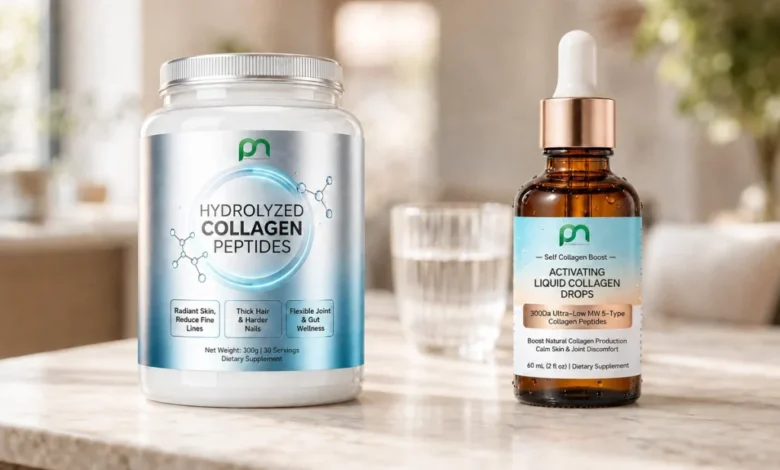
A liquid supplement project needs early attention to ingredient behavior, serving method, flavor, bottle choice, and packaging because these decisions can change the feasibility of the finished formula. Liquid planning begins with the serving system: how much product the consumer takes, how the dose is measured, how the bottle is held and stored, and what the label must explain. These basic choices affect bottle dimensions, closure selection, total servings, and the practical definition of a successful sample.
Liquid formats may suit brands that want a measured serving, a dropper-based routine, or a product experience that differs from capsules and tablets. The intended routine should be defined before the formula is discussed in detail. The formulation brief should state the desired base and flag visible appearance expectations. If the brand wants a clear liquid, an emulsion, a suspension, or a flavored system, that request should be linked to the ingredients and package rather than discussed as an independent creative choice.
The brief should identify water or oil preferences, likely flavor constraints, expected sediment or separation concerns, bottle size, closure type, serving volume, and any handling conditions that matter to the distribution plan. Packaging deserves early trials. A dropper, pump, cap, bottle material, and carton can influence use, leakage risk, dose consistency, and shelf presentation. The launch team should review the actual proposed components before finalizing artwork, especially when the consumer routine is central to the product story.
For a liquid concept, private label liquid supplements can inform the first research pass, while bottle handling, dispensing, taste, and label instructions still require project-specific review. A liquid sample should be assessed across time, not just at first opening. Plan observations for appearance, odor, pour or dispensing behavior, and consumer instructions after the product has been handled as intended. The feedback record should show what must be corrected before the next development decision.
A useful liquid sample review checks sensory experience, dosing convenience, visual consistency, closure function, label fit, and the expectations set by the final pack format. Liquid planning begins with the serving system: how much product the consumer takes, how the dose is measured, how the bottle is held and stored, and what the label must explain. These basic choices affect bottle dimensions, closure selection, total servings, and the practical definition of a successful sample.
The documentation discussion should cover the formula specification, fill-volume requirements, packaging checks, and the records needed for internal or channel acceptance. The formulation brief should state the desired base and flag visible appearance expectations. If the brand wants a clear liquid, an emulsion, a suspension, or a flavored system, that request should be linked to the ingredients and package rather than discussed as an independent creative choice.
A liquid SKU may be a better first project when the serving experience is central to the concept, but it should not be selected before the formula can be evaluated in that system. Packaging deserves early trials. A dropper, pump, cap, bottle material, and carton can influence use, leakage risk, dose consistency, and shelf presentation. The launch team should review the actual proposed components before finalizing artwork, especially when the consumer routine is central to the product story.
Clear liquid-project assumptions let a team focus sampling on the factors most likely to affect launch readiness. A liquid sample should be assessed across time, not just at first opening. Plan observations for appearance, odor, pour or dispensing behavior, and consumer instructions after the product has been handled as intended. The feedback record should show what must be corrected before the next development decision. The liquid project should retain a record of the planned serving device, bottle, closure, and observations made during sample handling. This helps the next review separate a formula issue from a dispensing or packaging issue.